
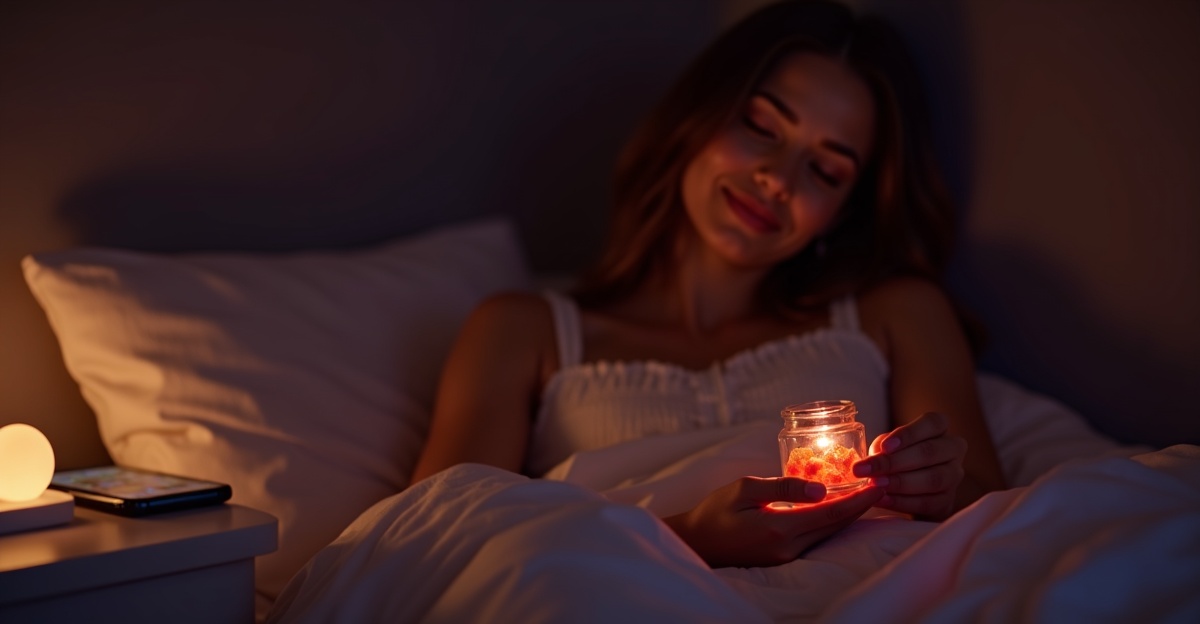
For years we were told that wellness meant effort, sweat, supplements. Sexuality stayed outside, embarrassing to mention outside an embarrassing gynecological appointment. Not anymore. Sexual wellness isn't a list of disorders to treat. It's a set of practices, products, and kinds of care that put pleasure and sexual health on the same shelf as sleep or anxiety care.
Libido gummies and hormone powders hormone-balancing are right there, next to stress supplements. Those who have been working in this field for years know it well. It isn't aggressive marketing; it's a cultural repositioning. Prevention, meanwhile, is getting smarter. HPV self-tests, devices to strengthen the pelvic floor, cycle-tracking apps that include data on sexual mood. A silent, concrete normalization.
That's no small thing.
The nightstand platform
Access changed everything. Telemedicine platforms like Hims and Hers have normalized buying treatments for sexual health without pharmacy lines or hushed conversations. One click, an online consultation, an anonymous package. The message is no longer provocative. It's practical.
The body doesn't lie.
This new confidence with one's own pleasure is a product of an era in which digital technology has made managing intimate health similar to managing a streaming subscription. Add a Kegel exercise device to your favorites list. You use it while watching a show. The boundary between medical and recreational grows thinner, but doesn't disappear. It's guarded by a greater self-awareness.
Enough with discretion: structural pleasure arrives
Maral Malekzadeh, gynecologist and co-owner of The Well Westlake, speaks of a definitive change: «we're tired of being discreet about topics that concern women's health.» Pelvic and sexual health is finally recognized as an essential component of overall well-being. Not a whim, not a luxury. Part of the medical appointment, without lowering your voice.
It seems obvious, but it wasn't.
Overcoming the stigma around sexuality rests on a new awareness: sexual satisfaction is a clinical data point. Monitoring it, discussing it, seeking tools to improve it is the same as measuring blood pressure. Pleasure isn't an extra to be achieved in secrecy. It's a biological function to be maintained. Science, this time, takes the stage without apologizing.
This is where the 2026 trend shows its more adult nature. There's no need to shout revolution. It's enough to broaden the definition of sexual wellbeing so that it includes the digital thermometer and pelvic floor cream, without awkward hierarchies.
Safety and consent: the bodily subtext
The new confidence with devices and supplements isn't just hygiene. It's a more honest dialogue with the body. And from there comes the premise of consent. Knowing yourself is the first step. Asking yourself what you like, which sensations you tolerate, which you seek, builds a culture of consent that starts with the self before the couple.
Prevention, then, is an act of responsibility. At-home HPV self-testing doesn't replace the consultation, but it trains a kind of attention that isn't fear. It's control. The new pelvic tone devices with biofeedback give you data about your body like a fitness tracker for sleep. Safety isn't in the external barrier, but in the knowledge you have of yourself.
Sources and references
Sources:
- Sexual Health Trends to Watch in 2026 – Bite the Fruit
- Top 40 Health & Wellness Trends of 2026 – Glimpse
- The 11 Biggest Wellness Trends of 2026, According to Experts | Who What Wear
- American Association of Sexuality Educators, Counselors and Therapists
- The Kinsey Institute
Want to go from theory to practice?
Hundreds of performers are live right now, waiting for you on the videochat.
Join the videochat →