
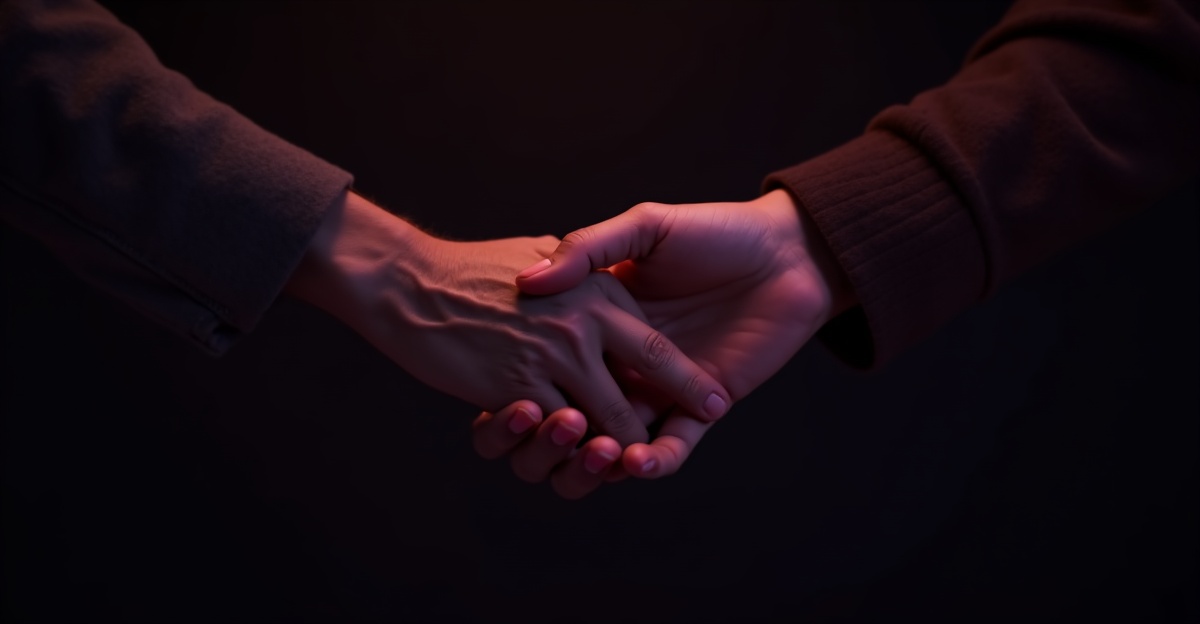
One of the most stubborn myths about sexuality is the idea that desire ends, or should end, at a certain age. In popular culture, the sexuality of older adults is invisible or ridiculed. The reality is very different.
What the data says
Research on older populations shows that sexual activity and desire persist into old age for most people, even if the forms change. Physical difficulties (reduced lubrication, erectile dysfunction, joint pain) are real but often manageable. The bigger problem is often cultural: the feeling that sexual desire in old age is inappropriate.
How sexuality changes with age
Sexuality in old age tends to become more selective, more focused on quality than frequency, and often more centered on intimacy than performance. Performance anxiety, which is among the main factors of sexual dysfunction in young adults, tends to decrease with experience.
Losses do occur: the death of a partner is one of the most destabilizing events for the sexual life of older adults, especially in generations where people had a single partner for life and starting over seems impossible.
The digital dimension
For older adults without a partner, digital platforms for adults represent a possible access to erotic content or forms of simulated intimacy. This aspect is almost completely absent from the public conversation about sexuality in old age.
To learn more, read our article on intimacy and loneliness.
Want to go from theory to practice?
Hundreds of performers are live right now, waiting for you on the videochat.
Join the videochat →