
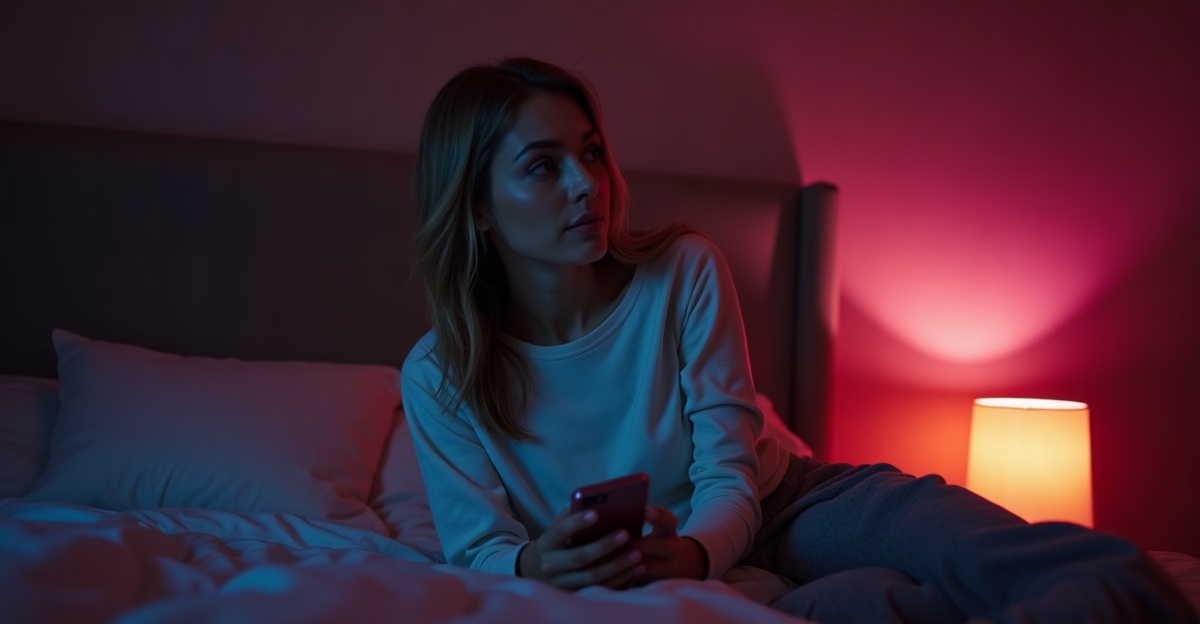
It's no longer a question of taboo, but of practicality. The trends for 2026 point in a clear direction: sexual health is becoming a normal part of self-care, just like sleeping well or managing stress. We already see it in the data, we see it in the products coming out. For years it was discussed in hushed tones, amid embarrassment and half-truths. Today the conversation has changed. And it's not a passing fad.
Telemedicine platforms like Hims and Hers have paved the way, normalizing access to sexual health consultations and treatments. People talk about erectile dysfunction, low libido, menopause, no longer filtered through shame. 2026 takes this trend to the next level: not just treatment, but prevention and optimization. Supplements, smart devices, hormone-tracking apps. All packaged in language that is no longer provocative, but practical.
Anyone who has followed the industry for years knows it well: the real change isn't in the products, but in the context. Sexual health is leaving the niche and going mainstream. And this has profound implications for how people experience their own bodies and desire.
AI and personal diagnostics: technology enters the bedroom
Artificial intelligence is no longer just a support for chatbots or automated suggestions. In 2026, according to forecasts, AI will become a key tool for personalizing sexual health. We're not just talking about smart toys, but genuine diagnostic tools. Apps capable of learning the body's patterns, tracking hormone levels, monitoring pelvic floor strength. Stuff that seemed like science fiction just five years ago.
A concrete example: devices that connect to wearable sensors and provide real-time feedback on physiological response. Nothing invasive, nothing coldly medicalized. This is data that helps you better understand your own body. For women in menopause, for those dealing with drops in desire, for anyone who wants to optimize their sex life. AI becomes an ally, not a substitute.
It's not so strange, after all. We already do it with sleep, with physical activity, with nutrition. Why not do it with sexuality? The point is that 2026 could mark the moment when technology stops being a gadget and becomes a tool for awareness. Effective and concrete.
From shame to self-care: the new language of intimate wellness
Sexual wellness products are no longer on hidden shelves. Libido-boosting gummies, hormone-balancing powders, advanced lubricants. Now they sit next to sleep supplements and stress adaptogens. The message is no longer provocative, but practical. It's a paradigm shift that many industry players have been waiting for. The normalization of desire also comes through here: through the ability to talk about it without having to justify it.
The sources speak of a “grown-up” approach to sexual health. Adult, mature, without sensationalism. It means the focus shifts from performance to well-being, from taboo to everyday management. It's not about making headlines, but about answering real needs. And this applies to all genders and all ages.
There's one aspect that emerges strongly: the preventive dimension. Don't wait for a problem to arise, but build a solid foundation of awareness and care. Exactly as we do with cardiovascular prevention or mental health. It sexual wellbeing is no longer an extra, it is an integral part of overall health.
Assent, consent, and new relationship dynamics
With normalization also comes greater attention to relationship dynamics. Consent is no longer just an abstract concept or a checklist of rules. It becomes part of everyday dialogue, including in the context of new technologies. Hormone-tracking apps, AI devices, telemedicine: all of this only works if there is transparency and agreement between partners. It's not just about data privacy, but about how trust is built.
The consent dynamics evolve. They are no longer an obstacle or a formality, but a structural element of well-being. 2026 could be the year consent stops being a topic of debate and becomes everyday practice, integrated into couple rituals and consumption choices. Even digital ones.
Then there's a generational issue. Younger people, raised with online sex education and platforms like OnlyFans, have a different relationship with their bodies and with negotiating desire. It's not better or worse, it's different. And this requires an update in language and approaches from those working in the industry.
It depends on how you look at it. If you only see the commercial side, you lose sight of the fact that it normalization of desire is leading to greater authenticity in relationships. And this, perhaps, is the real novelty of 2026.
Sources and references
The information presented in this article is drawn from the following sources:
- Sexual Health Trends to Watch in 2026 – Bite the Fruit
- 8 Intimate Wellness Trends You Will Definitely Be Hearing About in 2026 – Anup Dhir
- Top 40 Health & Wellness Trends of 2026 – Glimpse
- Kinsey Institute – Research on human sexuality
- NCBI/PubMed – Peer-reviewed scientific literature
To explore the topics covered in more depth, we invite you to visit the dedicated sections on our blog.
Want to go from theory to practice?
Hundreds of performers are live right now, waiting for you on the videochat.
Join the videochat →